Tummy time: the 5-minute habit that builds your baby’s strength
Somewhere between the feeds and the nappy mountain, there’s one tiny habit worth starting from your very first days at home: tummy time. A few minutes with your baby on their front — awake, with you right there — is one of the simplest ways to help their little body grow strong. No equipment, no schedule, no pressure: just the floor, a blanket and you. Here’s when to start, how to make it genuinely fun, and what to do if your baby protests (spoiler: most do at first, and it passes).
What tummy time is — and the one rule that matters
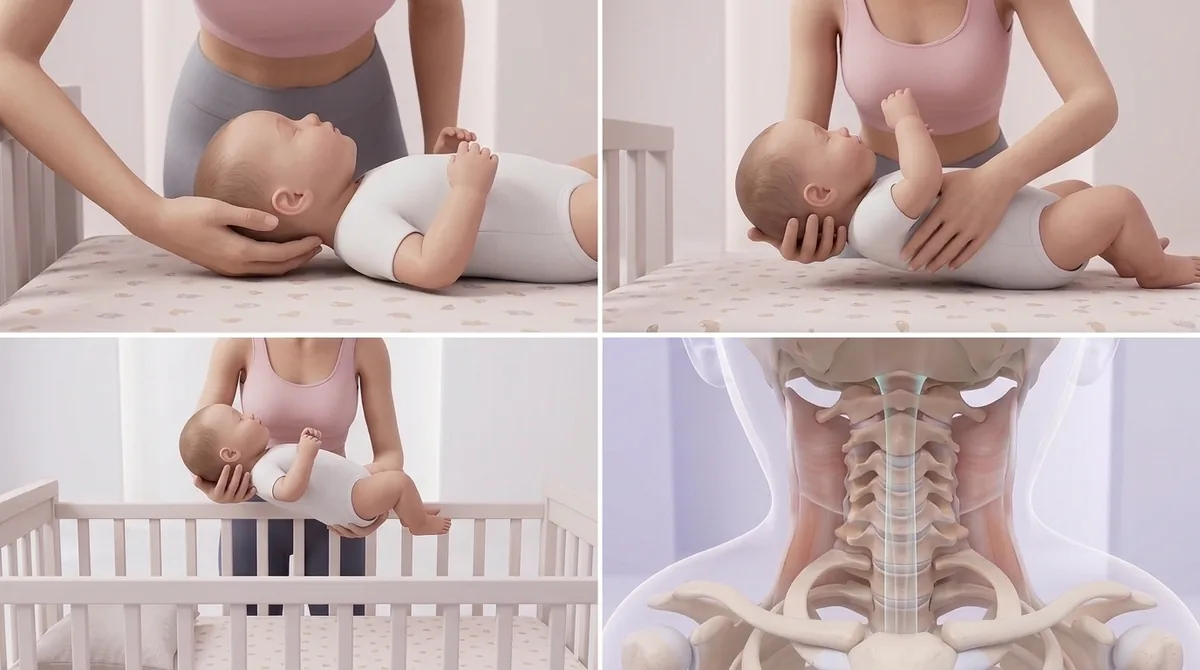
Tummy time simply means placing your baby on their front while they’re awake and supervised. You can start from the first days home from the hospital, in very small doses. The one rule to hold onto: tummy is for play, back is for sleep. Every sleep — naps included — happens on the back, in the cot. If your baby starts to doze during tummy time, gently turn them onto their back and let them sleep where they always do. Kept that way, tummy time is both safe and wonderfully useful.
Why a few minutes a day matter so much
Your baby spends a lot of time on their back — exactly as they should for safe sleep. Tummy time is the counterweight. Working against gravity in this position strengthens the neck, shoulders and core, the muscles behind every big milestone to come: rolling, sitting, crawling. It also gives the back of the head regular breaks from the mattress, which helps prevent flat spots from forming. And it offers your baby a whole new view of the world — faces, toys and floors look very different from down there.
How to build it up, gently
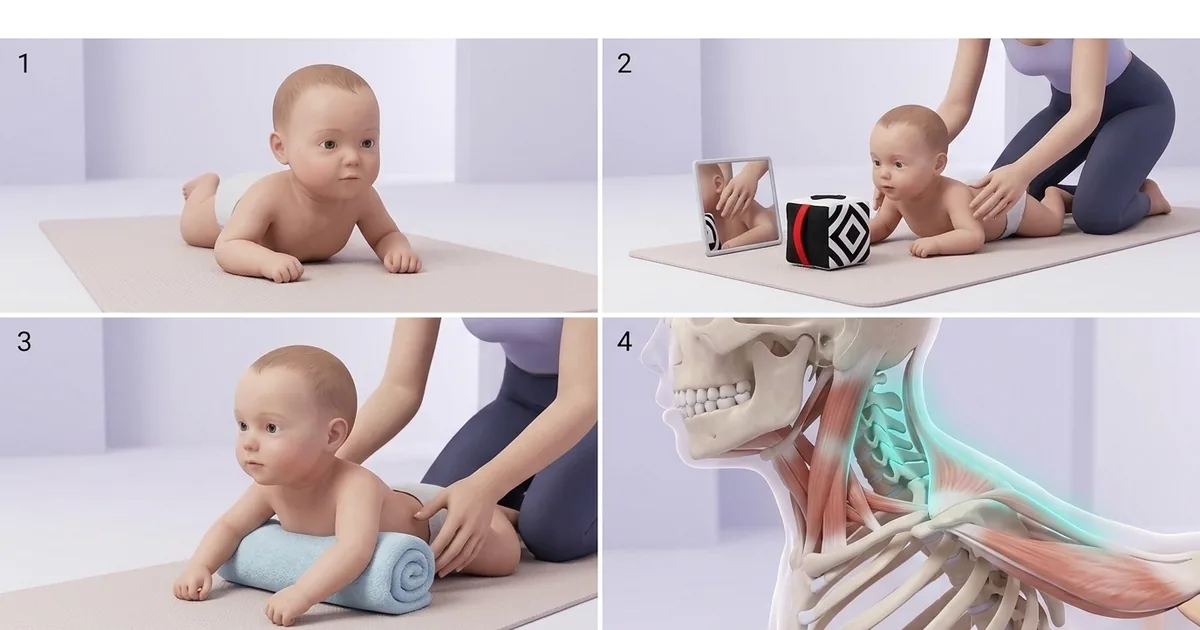
In the newborn weeks, think small: two or three short sessions a day, around three to five minutes each, are a great start. As your baby gets stronger and more comfortable, gradually stretch the sessions and add more of them, aiming for more total tummy time each day as they grow — that’s the approach paediatric guidance recommends. There’s no stopwatch to beat: what matters is the little-and-often rhythm, woven into the day rather than scheduled like an appointment.
Making it a moment you both enjoy
Tummy time works best as play, not exercise. For newborns, the cosiest version is chest-to-chest: recline comfortably and lay your baby on your chest — your face and heartbeat are all the motivation they need. On the floor, try a baby-safe mirror or high-contrast toys placed right at eye level, so lifting the head has a reward. A small rolled towel under the chest and armpits props your baby up and makes the position easier in the early weeks. And the best toy of all is free: get down on the floor face-to-face, talk, sing, pull silly faces.
“My baby hates tummy time” — now what?
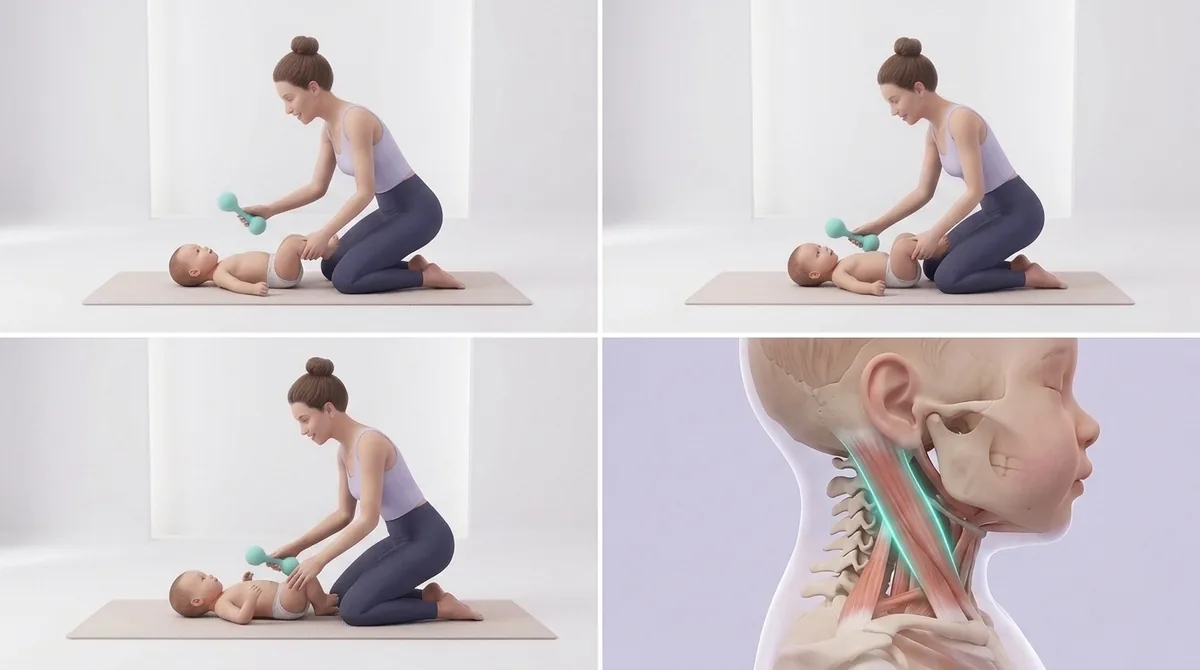
First: this is completely normal, especially at the beginning. It’s hard work for those brand-new muscles, and plenty of babies grumble about it. The fix isn’t to push through the crying — it’s to go shorter but more frequent. Even a single minute here and there adds up. Timing helps too: right after a nappy change is ideal, while straight after a feed is asking for spit-up and complaints. Never force a session; end on a good note and try again later. Tolerance builds over weeks, not days — and one morning you’ll find your baby propped up on their forearms, looking rather pleased with themselves.
Your questions, answered
Can we do tummy time on the bed?
A firm surface is best — a soft mattress lets your baby sink in, which makes the work harder and the position less safe. The ideal spot is a play mat or blanket on the floor, with you right beside them. Your own chest counts too, as long as you’re awake and holding them securely.
What if my baby falls asleep on their tummy?
Gently move them onto their back, in their cot. Tummy is for awake, supervised play; back is for every sleep, day and night. If drowsiness keeps cutting sessions short, just try again at a more alert moment.
Does tummy time on my chest count?
Absolutely — and in the first weeks it’s often the best version. Lying chest-to-chest on a reclined (and awake) parent works the same muscles, with the bonus of your face as the world’s most interesting toy. As your baby gets stronger, add floor sessions alongside.
When do babies start rolling?
Every baby has their own timetable, and there’s a wide range of normal. Rolling usually starts from the tummy in the middle months of the first year, with rolling both ways coming a little later. All that tummy time is exactly what prepares it — if you have questions about your baby’s pace, your paediatrician or health visitor is the right person to ask.
Also worth reading: Nappy changes without the drama (and how to keep rash away)
Watch those little muscles grow
With Mama4care, track tummy-time sessions and milestones in your baby’s diary, see the progress week by week, and ask the assistant your questions anytime — even mid-session, one-handed.
Download the appSources
This article is for information only and has been reviewed by the Mama4care team. It does not replace medical advice: for any question about your health or your baby’s, talk to your midwife, doctor or paediatrician. In an emergency, call your local emergency number.