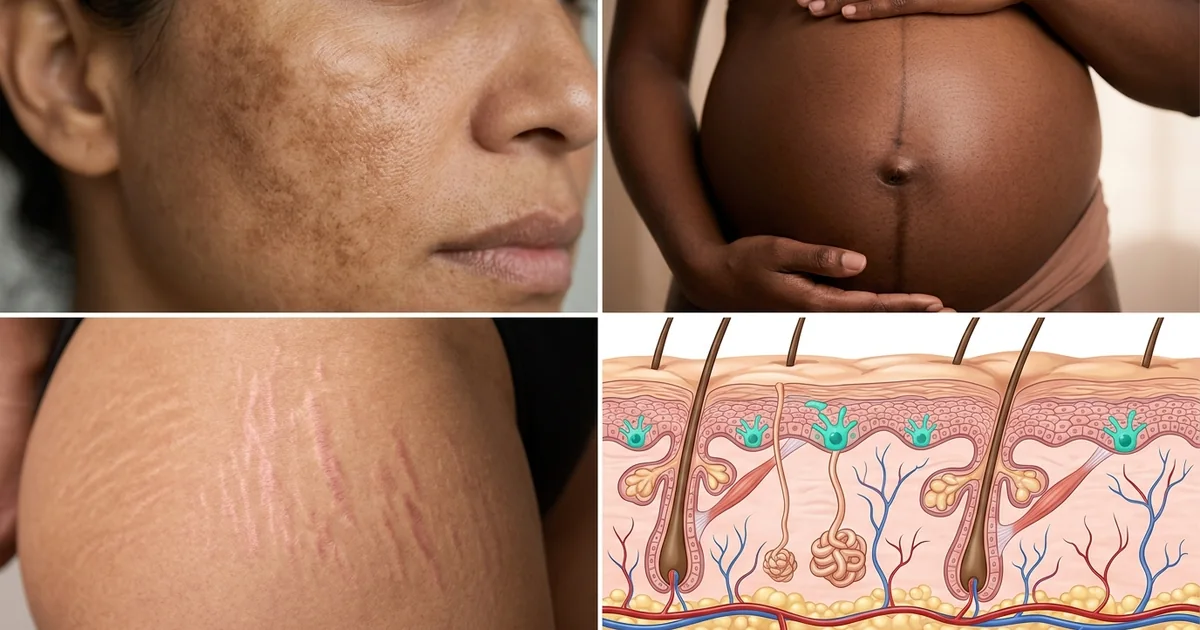
Your skin in pregnancy: what's normal, what fades, and what to flag
One morning you catch a dark line running down the middle of your belly. A few weeks later, faint brown patches appear across your cheeks. Then there are the fine marks along your hips. Pregnancy reshapes your skin as much as your silhouette — and for the vast majority of women, these changes are very common and completely harmless. Knowing which is which, and which one deserves a quick call, takes the worry out of what you see in the mirror.
The dark line down your belly
That vertical brown line from the navel downwards has a name — the linea nigra. It's simply extra pigmentation: the same hormones that darken other areas trace this line more visibly during pregnancy. It's nothing to treat and nothing to fear. Like most pregnancy pigmentation, it fades on its own after the birth, gradually, over the weeks and months that follow. There's no cream to make it go faster and no reason to try — it's just one of the marks your body draws while it's busy growing a baby.
The mask of pregnancy, and how to keep it in check
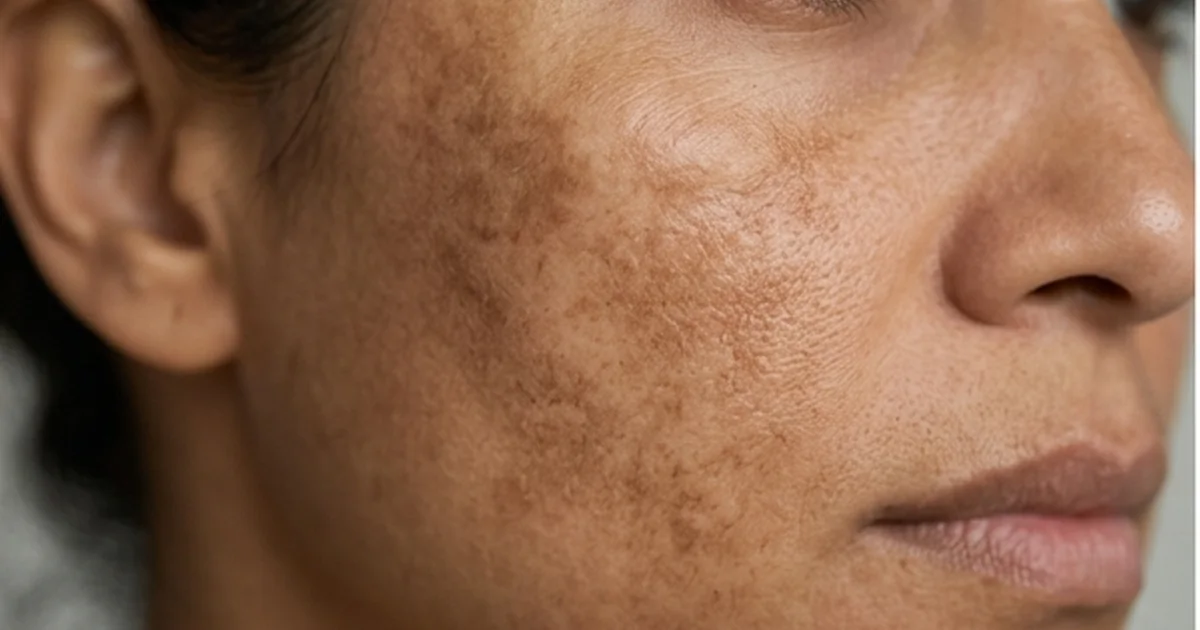
Those brownish patches on the cheeks, forehead or upper lip are known as the mask of pregnancy — melasma, or chloasma. Hormones drive it, and one thing makes it noticeably worse: the sun. Every bit of UV deepens the patches, which is why daily sun protection is the single most useful habit here — a hat, sunscreen, a little shade. The reassuring part: melasma usually softens after you give birth. It can linger or come back if skin is left unprotected in the sun, so gentle, consistent shielding is what keeps it in check.
Stretch marks: what they are, what really helps
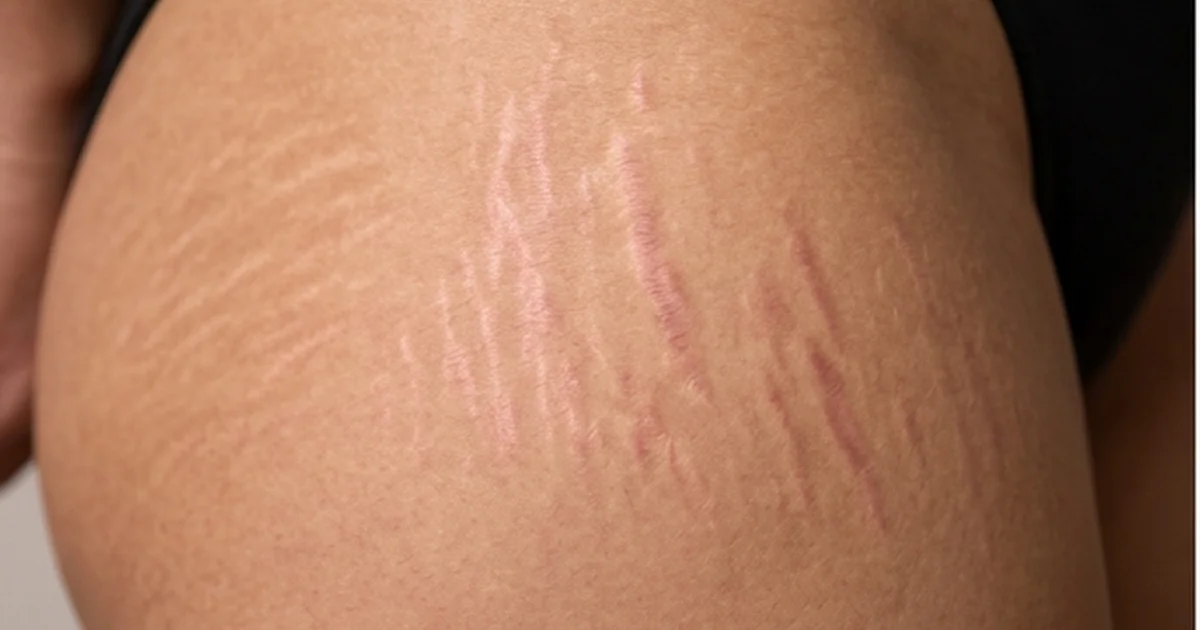
Pinkish or purplish streaks — stretch marks (striae gravidarum) — appear on the belly, breasts or thighs when skin stretches quickly to make room. They're a normal part of the story for many women, and largely down to how your skin naturally responds. Moisturising feels good and keeps skin supple and comfortable, and that's a genuine benefit — though it's honest to say the effect of creams on preventing stretch marks is limited and not guaranteed. Over time they lose their colour, settling into paler, quieter lines. Think comfort first, and let go of the pressure to erase them.
Oilier, spottier — or glowing
Skin doesn't read from a single script in pregnancy. Some women find theirs turns oilier, with the odd breakout; others enjoy the famous pregnancy glow, skin looking clearer and more radiant. Both are normal, and both come down to the same hormonal shift working differently from one person to the next. Most of your usual gentle skincare stays fine to use; the main thing worth a quick check is a few specific active ingredients. In short: these are changes, not illnesses — your skin is adapting, not misbehaving.
Your questions, answered
Do stretch marks go away?
They fade with time, losing their pink or purple colour and settling into paler, less noticeable lines — but they rarely disappear completely. That's normal and shared by countless women. Moisturising helps with comfort and suppleness rather than making them vanish.
Do anti-stretch-mark creams actually work?
Their real value is comfort and hydration — keeping skin soft and less tight, which feels good. For preventing stretch marks, the evidence is limited and no cream can promise it. So use one because it feels nice, not as a guarantee.
Is the mask of pregnancy permanent?
Usually not — it tends to fade after the birth. The sun is what keeps it going or brings it back, so daily protection is key both now and afterwards. If patches linger once you've had your baby, you can raise it with your doctor.
Can I keep using my usual skincare?
For the most part, yes — gentle, everyday products are generally fine. The sensible move is to check a few specific actives, such as retinol, with your midwife or doctor rather than assuming. When in doubt about a particular ingredient, ask.
Also worth reading: Back pain in pregnancy: the moves that really bring relief · Emotional wellbeing in pregnancy: caring for your mind too
Keep track of what your skin is telling you
In Mama4care, jot your symptoms in the journal as they come — a new itch, a change you're wondering about — and arrive at your next appointment with everything noted and your questions ready to ask.
Download the appSources
This article is for information only and has been reviewed by the Mama4care team. It does not replace medical advice: for any question about your health or your baby's, talk to your midwife, doctor or paediatrician. In an emergency, call your local emergency number.